
Tollovir Phase 2b/3 Clinical Trial Results
QCT-Based 3CL Protease Inhibitor for COVID-19 Treatment – Healthcare Professional Report.
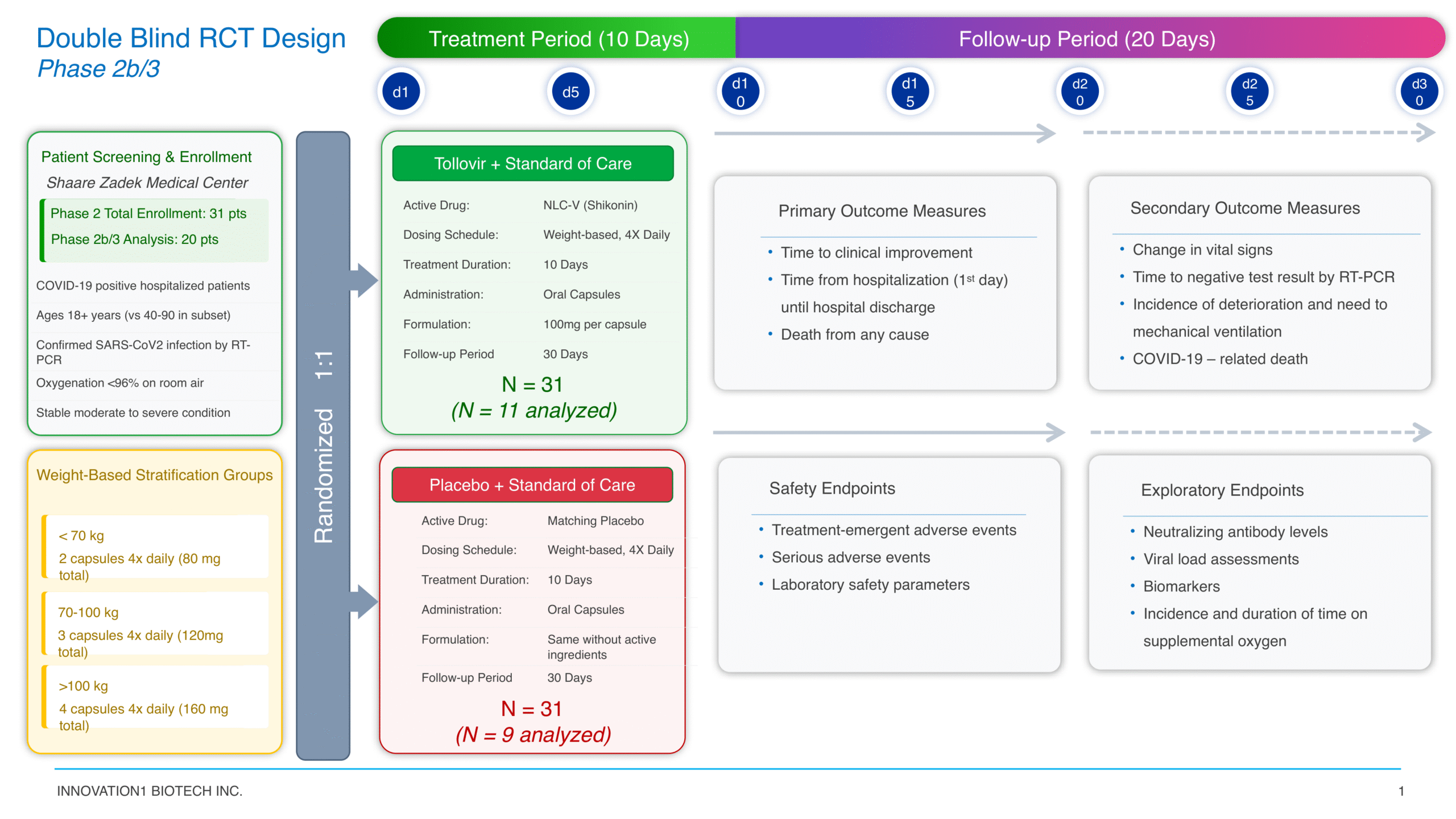
Study Design and Methodology
Double-blind, placebo-controlled, randomized clinical trial conducted at Shaare Zadek Medical Center with weight-based dosing stratification.
Clinical Outcomes Analysis
Primary and secondary efficacy endpoints demonstrate significant clinical benefits across all measured outcomes.
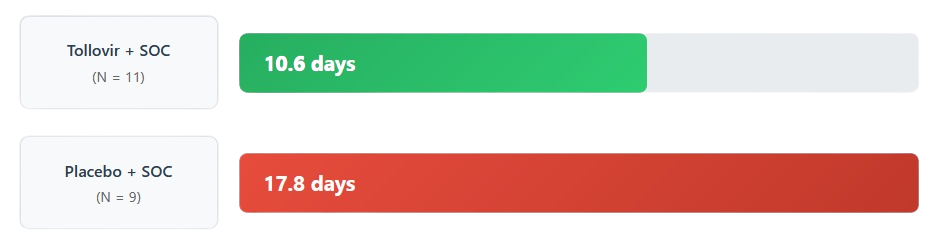
Hospital Stay Duration Comparison
Tollovir demonstrates 40% reduction in hospitalization time with significant clinical and economic benefits
Clinical Impact Metrics
Reduction in Hospital Stay
%
Fewer Days (Mean Difference)
0
Median Days (Both Groups)
0
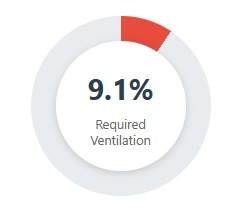
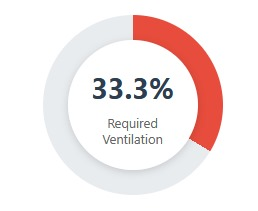
Mechanical Ventilation Requirements
73% relative risk reduction demonstrates significant prevention of disease progression to respiratory failure.
Statistical Analysis
Relative Risk Reduction
0
%
Absolute Risk Reduction
0
%
Number Needed to Treat
0
%
Safety Profile Analysis
Tollovir demonstrates superior safety profile with substantial reductions in severe adverse events, mortality, and serious complications compared to standard care.
Treatment-Emergent Adverse Events Profile
Comprehensive safety analysis shows consistent benefit across all adverse event categories with notable risk reductions.
Any Treatment-Emergent Adverse Event
Tollovir (N=11)
63.6%
Placebo (N=9)
78.8%
18% Lower
Serious Adverse
Events
Tollovir (N=11)
18.2%
Placebo (N=9)
33.3%
45% Lower
Severe Adverse
Events
Tollovir (N=11)
9.1%
Placebo (N=9)
33.3%
73% Lower
Resulting in Death
Tollovir (N=11)
9.1%
Placebo (N=9)
78.8%
59% Lower
Permanent Discontinuation
Tollovir (N=11)
9.1%
Placebo (N=9)
78.8%
Similar
Clinical Safety Metrics
Relative Risk Reduction
0
%
Absolute Risk Reduction
0
%
Number Needed to Treat
0
%
Is Tollovir Safe?
✓ Tollovir Shows Better Safety Profile
Patients treated with Tollovir experienced fewer serious side effects and complications compared to those receiving standard care alone.
11 patients in study
Any Side Effects
64%
Serious Problems
18%
Severe Problems
9%
Deaths
9%
9 patients in study
Any Side Effects
78%
Serious Problems
33%
Severe Problems
33%
Deaths
22%
Inflammatory Biomarker Analysis
Significant reductions in inflammatory markers (CRP ↓77%, IL-6 ↓32%) and coagulation markers (D-Dimer ↓99%) demonstrate controlled immune response and reduced thrombotic risk.

C-Reactive Protein
Systemic inflammation
3.44
mg/L
vs
3.44
mg/L
77% Reduction

Interleukin-6
Pro-inflammatory cytokine
24.6
pg/mL
vs
36.23
pg/mL
32% Reduction

D-Dimer
Fibrin degradation product
256
ng/mL
vs
29,554
ng/mL
99% Reduction
Download High-Resolution Clinical Data
Access publication-quality figures and data tables for clinical presentations and regulatory submissions.